Let's Talk About Integrated Care
May is Mental Health Awareness Month, a time to reflect not only on the importance of mental well‑being, but on how we deliver care in ways that truly support the whole person. One of the most effective and compassionate approaches to achieving this is integrated care.
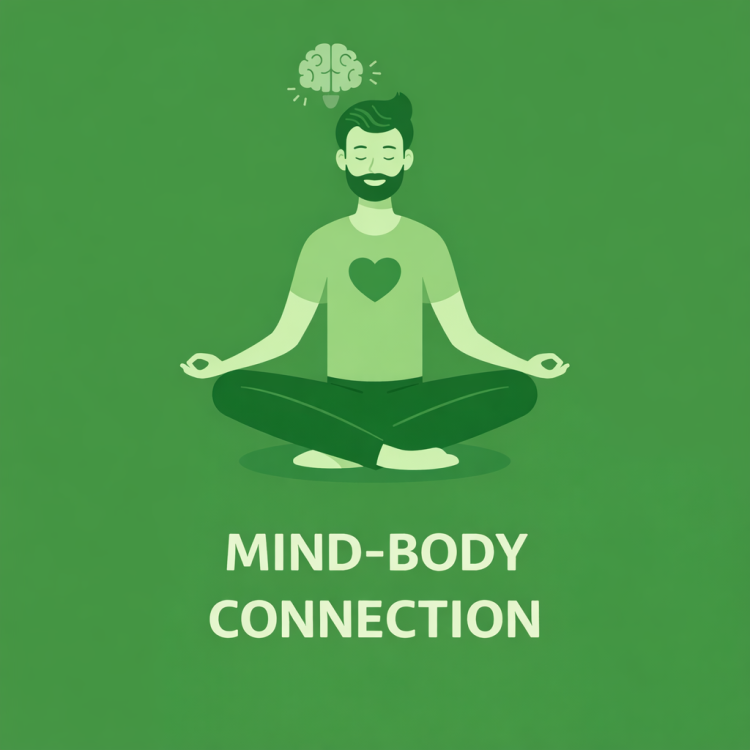
Integrated care brings physical health care, behavioral health care and care coordination together in one setting. Instead of treating mental health and physical health as separate concerns, integrated care recognizes what patients experience every day: the mind and body are deeply connected.
When behavioral health providers work alongside primary care teams, patients receive more coordinated, timely and person‑centered support. Depression, anxiety, trauma, substance use and stress often show up alongside chronic medical conditions such as diabetes, heart disease and chronic pain. Integrated care allows providers to address these needs together, reducing barriers to care, improving outcomes and supporting healing on multiple levels.
Integrated care also helps normalize mental health support. When behavioral health services are part of routine medical visits, seeking help feels like a natural part of staying healthy. This reduces stigma and makes it easier for patients to talk openly about emotional, social and behavioral concerns that impact their health.
For patients, integrated care means fewer appointments, better communication between providers and care that reflects their real lives. For providers, it means stronger collaboration, shared expertise and the ability to respond earlier, often before concerns become crises.
Most importantly, integrated care is grounded in dignity, respect and partnership. It meets people where they are, honors their strengths and treats mental health as an essential part of overall wellness, not an afterthought.
This Mental Health Awareness Month, we celebrate integrated care as a powerful way to support healthier individuals, stronger families and more resilient communities. Whole‑person care is not just better care. It is the care everyone deserves.
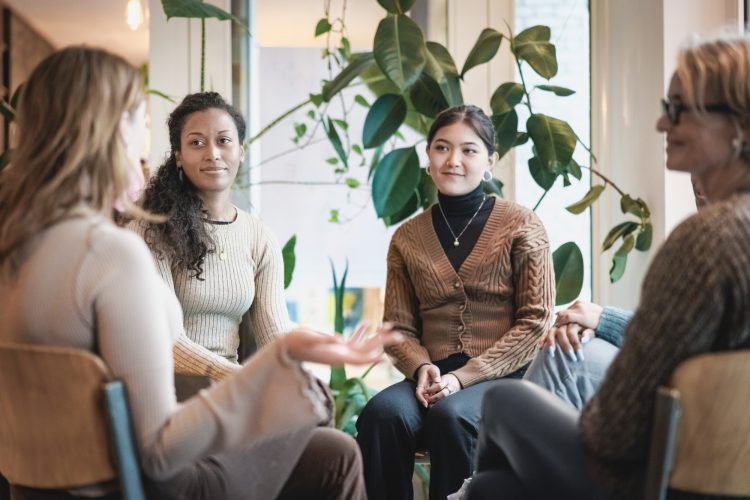
How Our Integrated Care Team Supports Patients
Behavioral Health Providers
Behavioral health providers offer counseling and emotional support for concerns such as stress, anxiety, depression, substance use and other life challenges. They work closely with your medical care team to provide coordinated and compassionate support.
Community Resource Support
Community Resource Support helps connect patients and families to local resources, including food assistance, housing support, transportation, benefits and other services that support health and stability.
Community Health Workers
Community Health Workers work one‑on‑one with patients to help navigate health care, reduce barriers to care and provide guidance, encouragement and follow‑up between visits.
Nurse Care Managers
Nurse Care Managers support patients with ongoing or complex health needs by helping coordinate care, manage chronic conditions and stay on track with treatment and wellness goals.
Peer Recovery Specialists
Peer Recovery Specialists provide support, hope and understanding through shared lived experience, helping individuals feel supported, understood and empowered in their recovery and wellness journey.
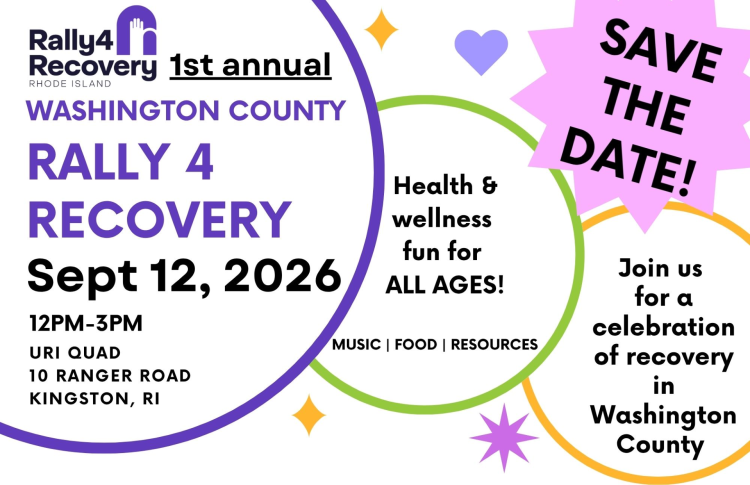
Save the Date for Rally 4 Recovery
Save September 12th on your calendar for Washington County's first Rally4Recovery! A welcoming, family‑friendly event, the Rally4Recovery brings people together to celebrate wellness, health and recovery in all its forms. Designed for people of all ages and backgrounds, the rally creates a supportive, accessible and community‑focused space to find support.
Wood River Health, Healthy Bodies Healthy Minds and our community partners are excited to bring the Rally4Recovery to Washington County! By creating a space centered on connection, understanding and support, the Rally4Recovery helps reduce stigma related to substance use and mental health challenges. The event promotes inclusion and reminds everyone that recovery looks different for each person and is stronger when our community comes together. Stay tuned for details!
Integrated Care Team Interviewed on Mann About Town

In recognition of Mental Health Awareness Month, members of Wood River Health’s Integrated Care team were interviewed on Mann About Town on Wednesday, May 13. Listen to the full interview, starting at the one hour mark, by following this link.
Participants included:
- Christine King, Senior Director of Integrated Care
- Sharon McGuinness, Community Psychiatric Support Treatment Specialist
- Alex Johnson, Peer Recovery Specialist
The conversation was led by Rona Mann and focused on mental health, community and the power of integrated care.
Christine shared why integrated care is essential for Wood River Health’s patients, explaining that it addresses all aspects of health, not just one piece. Because patients live, work and raise families in the community, their health directly impacts the health of the entire community.
When asked about mental health stigma, Christine reflected on how the COVID‑19 pandemic helped chip away at long‑standing barriers. During a time of widespread isolation and disconnection, many people experienced firsthand how deeply mental health is tied to overall wellness. As Christine shared, “We are social beings. We are wired for connection.”
Christine also described mental health as a continuum. Sometimes care means hospitalization, and sometimes it means rest, fresh air or reaching out for support. Mental health is influenced by many factors, including social and biological ones, and integrated care looks at the whole person to meet them where they are.
Sharon spoke about the deep knowledge she has gained through lived experience and her understanding of Rhode Island’s mental health and recovery resources. When someone is struggling with mental health or substance use challenges, she helps connect them with the tools and supports they need to recover and thrive.
“Our goal is to be accessible and open,” Christine shared. “There is no wrong door to get the support people need.” She emphasized that individuals are the experts on their own mental health and that Wood River Health helps people recognize their strengths and supports.
Alex closed the conversation by sharing his personal journey, describing struggles with mental health and substance use beginning at a young age and the path that led him to recovery.
Mann About Town on 32One Media is a weekly live‑streamed show and podcast hosted by Rona Mann that focuses on community events, local culture and interviews with businesses and leaders, primarily in Rhode Island and southeastern Connecticut. The full interview is available to watch on YouTube.
Join Us for Can We Talk…
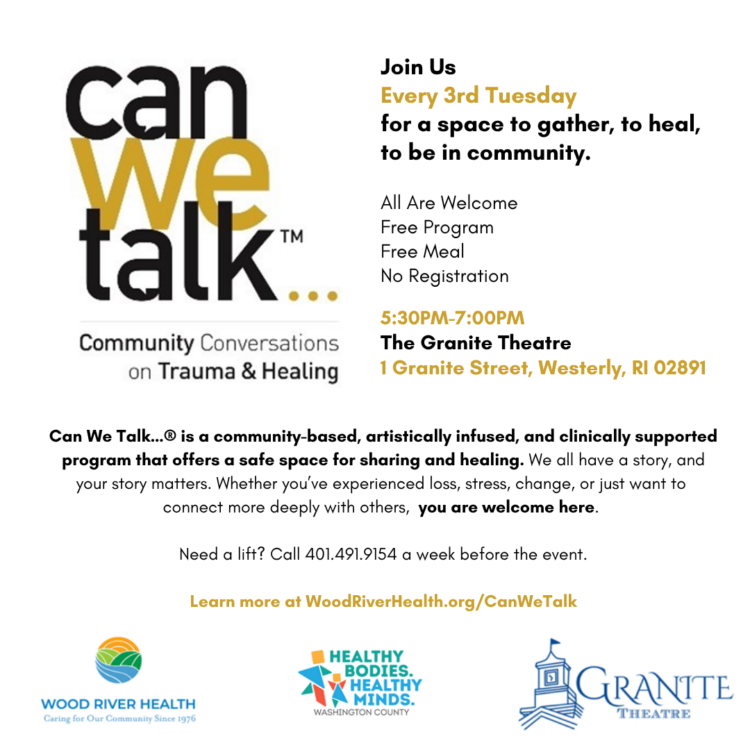
Can We Talk…® is a community‑based, artistically infused and clinically supported program that offers a safe space for sharing painful stories. It increases awareness and understanding of trauma, provides relief from traumatic stress and delivers mental health supports in a way that is accessible, compassionate and deeply human.
Originally founded in 2014 by the Roxbury Presbyterian Church’s Social Impact Center, the program grew from the Cory Johnson Program for Post‑Traumatic Healing, named in memory of a young community member lost to violence. Since its founding, the program has welcomed more than 10,000 participants.
Wood River Health is excited to have received a grant from the Rhode Island Foundation to bring Can We Talk… to Westerly.
What to Expect: How We Heal Together
At the heart of Can We Talk… is peer support and community companionship, where trauma survivors and trusted community members walk alongside one another and become the front line of care. This approach integrates mental health and spiritual support, reducing stigma and offering a powerful complement to traditional treatment.
Each session begins with a shared meal, followed by a brief artistic expression such as drumming, music or poetry. After that, the space opens for anyone who wishes to share what they are carrying, what they are struggling with or what is on their mind.
The experience centers on deep listening, honoring one another’s truth and creating a safe and healing space. By naming the pain together, the community creates space for meaning, connection and hope.